
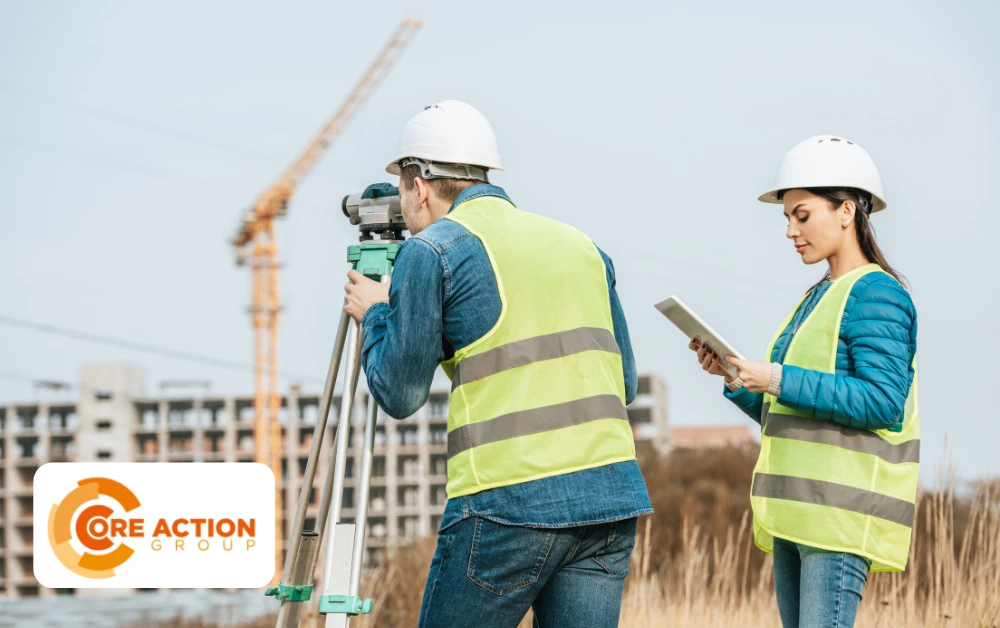
Hiring a commercial building surveyor is one of the most important ways you can protect your investment when buying a commercial building. Many properties may look great at first glance, but only a thorough survey by a professional can reveal hidden problems such as dampness, structural damage, or electrical issues. Here’s why a commercial property surveyor is essential to the success of any commercial building project.
What Does A Commercial Building Surveyor Do?
Commercial building surveyors are licensed experts who thoroughly assess a property’s current condition to help buyers make informed decisions. A do the following:
Examine the structure of the property
This includes looking for signs of damage such as cracks in the subsidence or walls, and checking for foundation issues. Fixing structural problems can be extremely expensive, so pinpointing these issues early on is integral for any buyer. The commercial building surveyor will also inspect the exterior of the building, including windows, walls, doors, and roofing, to ensure their condition.
Assess critical systems
A commercial building surveyor also assesses critical systems inside the building such as electrics, plumbing, and heating. Commercial properties often have more complex systems, and any problems can result in significant safety hazards and extensive costs down the road. A trained surveyor will know how to uncover potential problems like faulty wiring or outdated plumbing.
Check for problems like mold, rot, and damp
These issues are especially common in older buildings and may result in expensive repairs if untreated. Commercial building surveyors will spot any signs of mold, rot, and damp, outline the degree of severity, and recommend a course of action.
Why You Need To Hire A Commercial Property Surveyor
A commercial building surveyor mitigates risks through conducting due diligence to uncover hidden safety hazards, structural defects, and maintenance issues. They also assess environmental factors, legal compliance, and offer accurate valuations to avoid costly repairs or legal disputes down the line. Here’s why all commercial projects should be professionally surveyed before purchase.
Risk management
Surveyors pinpoint structural defects, roofing issues, damp, and outdated electrical systems to mitigate unexpected repair costs post-acquisition.
Compliance
Surveyors ensure buildings comply with zoning laws, safety regulations, and environmental standards. A Commercial Topography Survey Broward County can also help identify existing site conditions, elevations, and drainage features that may need to be considered during commercial development. This helps developers avoid legal penalties and ensures the property is up to par.
Leverage in negotiations
The surveyor provides a detailed report outlining repair costs, which buyers can use when negotiating the purchase price or to ask for repairs.
Lease protection
Surveyors help ensure lease terms are fair by assessing the building’s condition for tenants. This protects against future liability for landlord repairs.
Preserve long-term value
Commercial buildings should be regularly surveyed to maintain, improve, and prolong the property’s lifespan and preserve its long-term value. Regular surveys from a trusted firm like CORE Action Group is essential for commercial building owners looking to ensure an optimal outcome for their investment.
Looking for a “Commercial Surveyor Near Me?”
CORE Action group is a licensed commercial and residential surveying firm in the South Florida area offering commercial building surveyor services. Call CORE Action Group for your residential and commercial property surveying needs today.
FAQs
What does a commercial building surveyor do?
A commercial building surveyor assesses the structural integrity and condition of the building so buyers can make informed decisions.
Why is a commercial property survey essential to protect my investment?
Commercial building surveys ensure compliance and spot any potential costly issues down the road.
What’s the difference between a commercial building surveyor and a building inspector?
Building inspectors are licensed to specifically ensure compliance with municipal codes, while building surveyors make deeper structural assessments of the building’s condition.